
Post-Romanticism
Navigating Life's Complexities with Magnetism, Resonance, and Sensibility
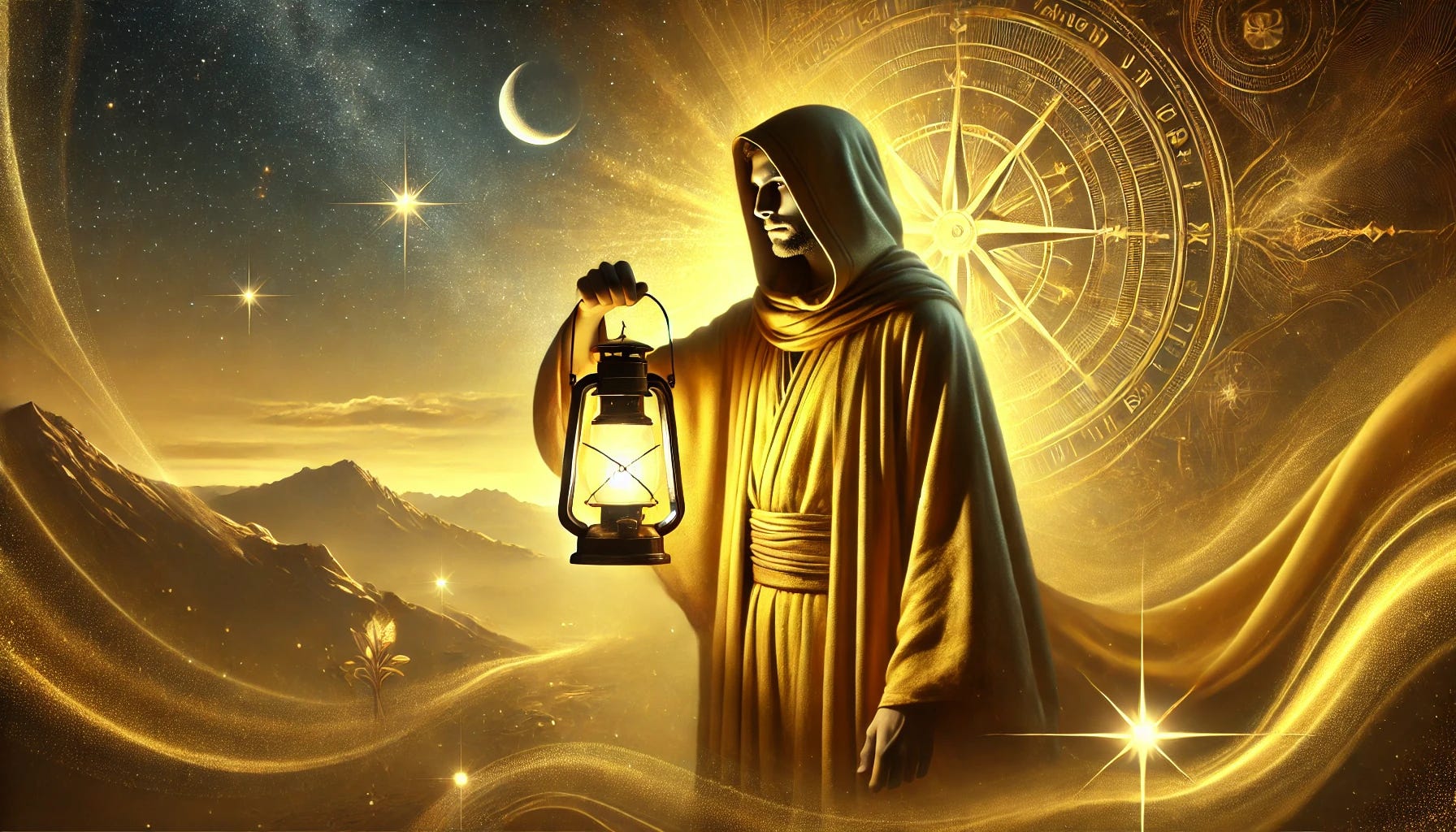
In the evolution of art, philosophy, and literature, every significant movement is a response to what came before it. Romanticism, with its emotional intensity, reverence for nature, and celebration of the individual, left a profound mark on the world in the late 18th and early 19th centuries. However, as the world changed and became more industrialized, interconnected, and disillusioned with simple notions of beauty and transcendence, a new form of thought began to emerge: post-Romanticism.
Post-romanticism, as the name implies, carries forward many of the ideals of Romanticism but reframes them in a more complex, nuanced way, reflecting the realities of a world no longer content with pure emotional fervor. In this blog post, we will explore what post-romanticism is, what it rejects, what it embraces, and how it shapes our understanding of art, philosophy, and the human experience in a modern world.
What Romanticism Brought to the World
Before we dive into post-romanticism, it’s essential to understand what Romanticism represented. Romanticism was, in many ways, a reaction to the rationalism of the Enlightenment and the industrialization of society. At its core, Romanticism was an artistic, literary, and intellectual movement that celebrated the following:
Emotional Depth: The Romantics placed great value on the power of emotions—love, passion, awe, and even despair—as central to the human experience. They believed that these emotions connected people to deeper truths about themselves and the universe.
The Sublime in Nature: Nature, for the Romantics, was not just scenery; it was a reflection of the divine, the mysterious, and the overwhelming. Mountains, oceans, and forests were seen as symbols of both beauty and terror, representing forces far greater than human beings.
Individualism: Romantics celebrated the individual’s unique perspective and creativity. The self was central to understanding the world, and individual emotions and expressions were considered more important than societal norms or rational logic.
Idealism and Transcendence: Romanticism often leaned into the idea of transcending the mundane, finding higher meaning, beauty, and truth beyond the everyday. There was a sense that life could be lived with deep, almost spiritual purpose through art, love, and nature.
These ideals drove much of the art, literature, and thought of the time, with figures like William Wordsworth, Samuel Taylor Coleridge, Mary Shelley, and J.M.W. Turner becoming iconic representations of the movement.
Post-Romanticism: What It Transforms from
As we entered the late 19th and early 20th centuries, the world experienced a series of massive shifts: industrialization, the rise of modern science, the horrors of world wars, and the fragmentation of traditional social structures. The Romantic ideals, once so powerful, began to feel insufficient in explaining or addressing the complexities of the modern world. Thus, post-romanticism emerged, not as a rejection of Romanticism’s values, but as an evolution and critique of them.
1. Reshaping of Romantic Idealism
Post-romanticism departs from the pure idealism of Romanticism, embracing a more complex, often skeptical view of the world. While Romanticism celebrated beauty, love, and transcendence, post-romanticism acknowledges the limitations of these ideals. The world is not always beautiful or filled with love; it is often indifferent, harsh, and chaotic.
Post-romanticists understand that the pursuit of idealized love, beauty, and truth can lead to disillusionment when confronted with the realities of modern existence. They are more likely to recognize the imperfect, fleeting nature of these experiences and find meaning in the struggle, rather than in the attainment of some perfect state.
2. Awareness of the Fragmented Self
Whereas Romanticism emphasized the power of the individual and the depth of personal emotion, post-romanticism is more aware of the fractured nature of the self. The post-romanticist acknowledges that the modern self is often fragmented, caught between competing identities, desires, and social expectations. This sense of fragmentation may come from external pressures—societal demands, technological advancements, and a fast-paced world that makes it difficult to center oneself—or internal ones, such as emotional conflict, mental health struggles, and existential doubt.
While the Romantics might have looked at this fragmentation with despair, the post-romanticist accepts it as a condition of modern existence. There is a sense of resilience in facing this fragmentation, a willingness to embrace it as part of the journey toward self-understanding.
3. A More Skeptical View of Nature
Nature, in the Romantic worldview, was often seen as pure, divine, and redemptive. Post-romanticism complicates this view by acknowledging nature’s indifference to human life. The post-romanticist still sees beauty in nature but is more likely to view it as indifferent, and at times, hostile. Natural forces—storms, earthquakes, disease—are reminders that the universe is not always aligned with human desires or aspirations.
Post-romanticists do not abandon the awe and reverence for nature that Romantics held, but they do so with an understanding that nature is not necessarily a refuge. It is a place of power, beauty, and danger, where human concerns are but a small part of the larger picture.
Post-Romanticism: What It Transforms into
Despite its more skeptical tone, post-romanticism is not a movement of pessimism or despair. It retains many of the core values of Romanticism but reframes them in a way that makes sense for a more complicated, modern world. There is still beauty, still awe, still meaning, but these are found through different paths—paths that embrace ambiguity, struggle, and resilience.
1. Magnetism: The Unseen Forces That Shape Our Lives
In the post-romanticist worldview, magnetism symbolizes the invisible forces that guide human existence. This idea carries forward the Romantic fascination with emotion and the sublime, but it does so with a greater awareness of the unseen, often indifferent, forces that shape reality. These forces could be cosmic (the movement of celestial bodies, for example), emotional (the magnetic pull of relationships), or even philosophical (the forces that draw us toward certain ideas or truths).
Astro-philosophy, as a modern blend of astrology and philosophical inquiry, explores these magnetic forces with a nuanced, post-romanticist approach. The post-romanticist astro-philosopher sees planetary movements as magnetically linked to the emotional and psychological forces at play in our lives, recognizing that while these forces may guide us, they do not dictate a predetermined fate. There is still room for choice, interpretation, and resilience in the face of cosmic and emotional magnetism.
2. Resonance: Finding Harmony in an Uncertain World
Resonance, another key idea within post-romanticism, refers to the harmonious or dissonant interactions between individuals and the larger universe. In the Romantic era, individuals sought harmony with nature and their emotions, often experiencing a sense of unity or transcendence. For the post-romanticist, this harmony is not always guaranteed, but the search for it remains meaningful.
Resonance, in a post-romantic sense, involves aligning oneself with the larger forces at play, whether cosmic, emotional, or existential. It’s about recognizing when things are “in tune” and when they are not—and learning how to navigate those moments of dissonance with grace. Post-romanticists understand that the modern world is full of interruptions, complexities, and chaos, but within that, they find moments of deep connection, beauty, and harmony.
3. Sensibility: Attuning to the Complexities of Modern Life
One of the most essential elements of post-romanticism is the cultivation of sensibility, the ability to perceive and respond to the subtleties of existence. In Romanticism, sensibility was tied closely to emotional depth and sensitivity to beauty. In post-romanticism, sensibility takes on a more philosophical and reflective tone, referring to the capacity to attune to the deeper, often unseen forces that shape our lives.
For the post-romanticist, developing this sensibility is a lifelong process. It involves not just emotional sensitivity but also intellectual curiosity, philosophical inquiry, and intuitive awareness. Sensibility helps individuals navigate the uncertainties and ambiguities of life, allowing them to find meaning even in moments of confusion or chaos.
In post-romantic astro-philosophy, this sensibility is what allows one to engage with astrology not just as a predictive tool but as a framework for understanding the resonant energies of the universe. It is through sensibility that the post-romanticist finds their path in a world that does not always offer clear answers.
Post-Romanticism: A Modern Path Forward
Ultimately, post-romanticism is a movement of resilience, complexity, and curiosity. It acknowledges the beauty and meaning that Romanticism sought but reframes them in a modern context, where life is more fragmented, uncertain, and at times, dissonant. Rather than seeking to transcend the difficulties of life, post-romanticism embraces them as part of the human experience, finding beauty in the struggle and meaning in the ambiguity.
It is a movement that understands both the allure and the limits of idealism, recognizing that while love, beauty, and truth are worth pursuing, they are not always attainable in the ways we imagine. The post-romanticist finds meaning not in the achievement of some perfect state but in the ongoing journey, where magnetism, resonance, and sensibility guide us through both the joys and sorrows of existence.
In a world that is increasingly fast-paced, fragmented, and uncertain, post-romanticism offers a path forward that embraces complexity without abandoning hope. It is a reminder that even in the face of cosmic indifference, human beings can find moments of connection, beauty, and meaning—and that these moments, however fleeting, are worth seeking.